Peak Design Capture V3 Hiking Camera Mount
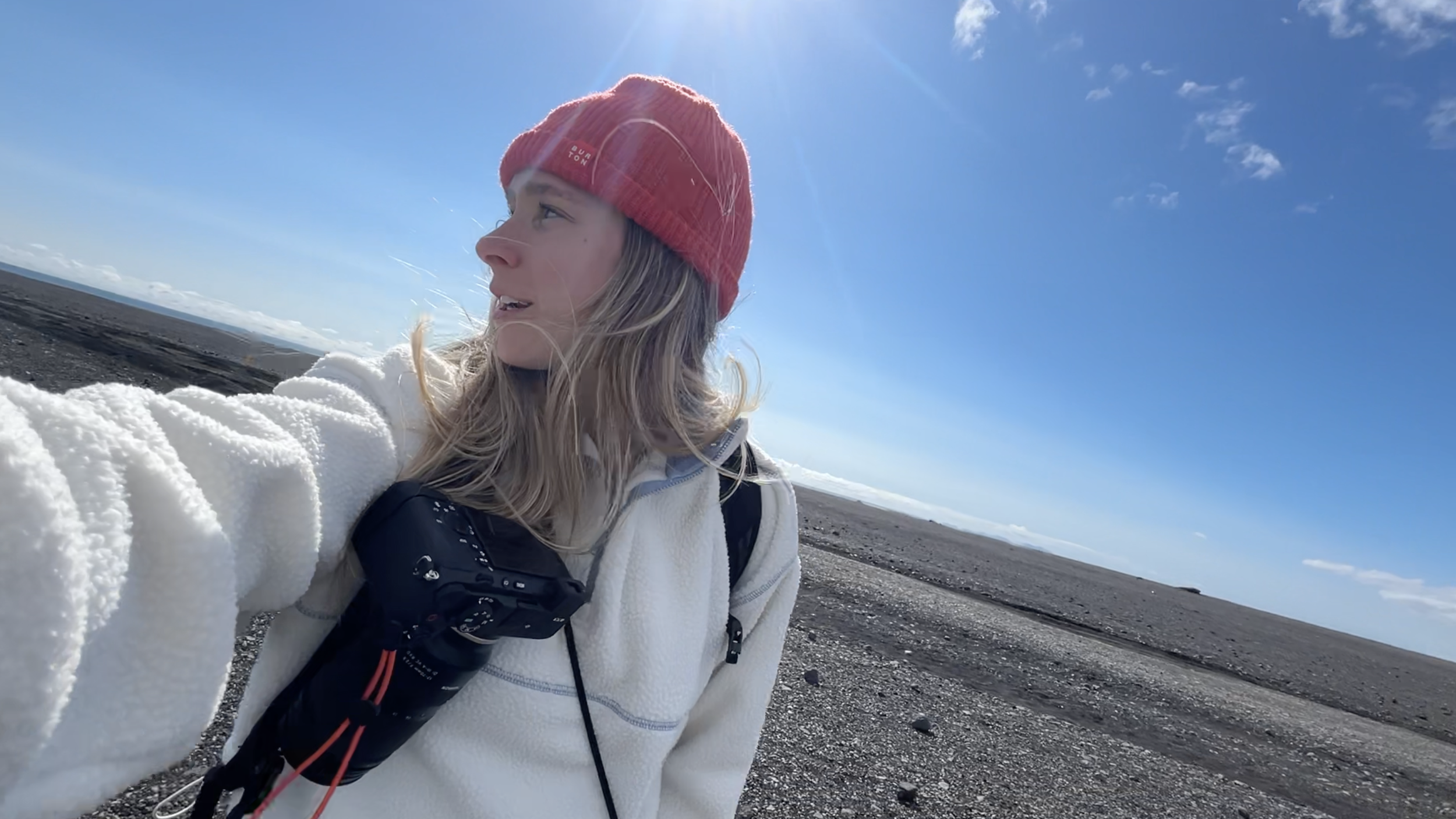
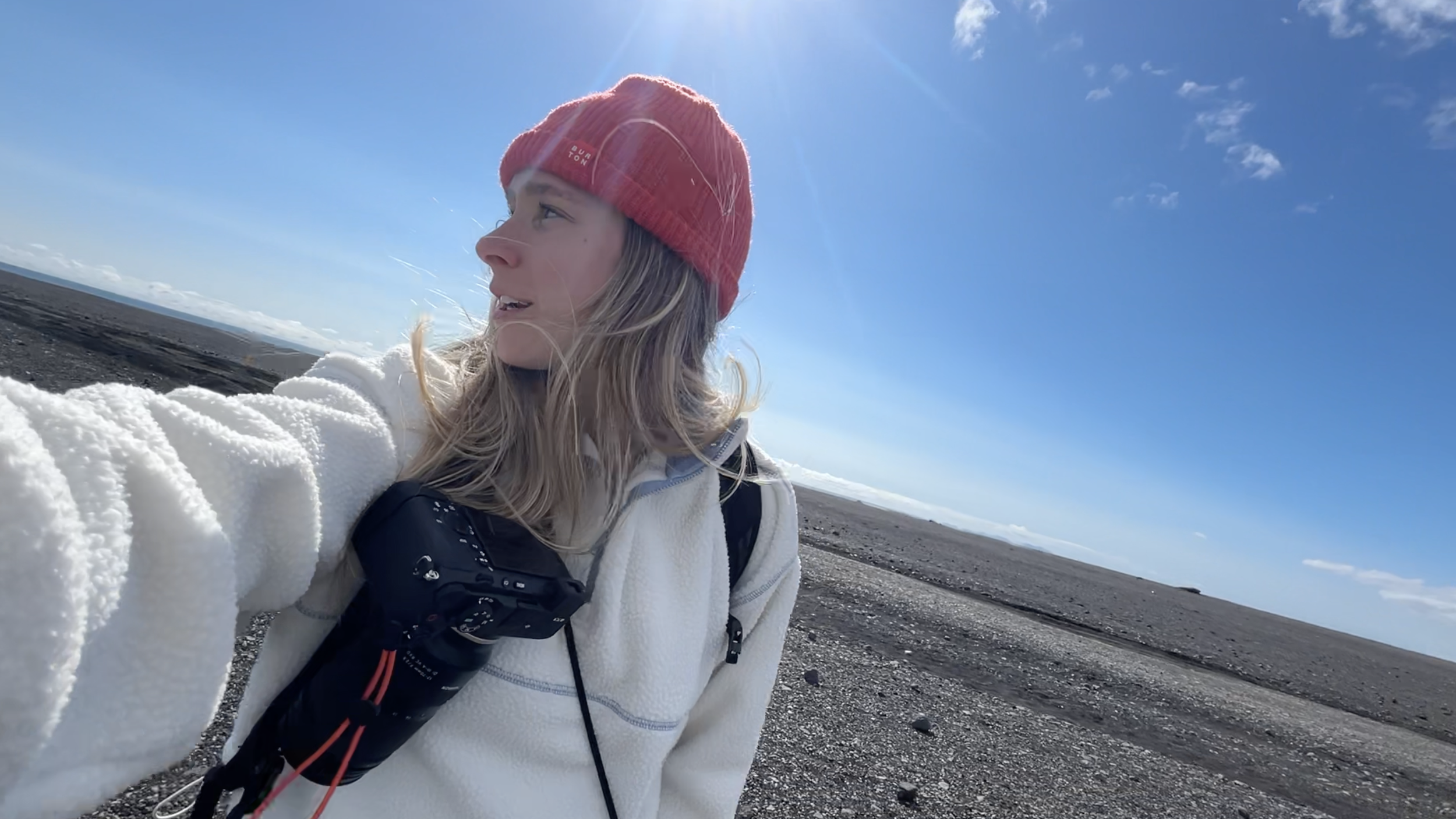
Carrying your camera on the trail can be a challenge — especially when you want quick access, hands-free mobility, and secure placement while hiking, scrambling, or navigating uneven terrain. Traditional camera straps can bounce, snag, or get in the way. That’s where a purpose-built hiking camera mount like the Peak Design Capture Clip comes in.
In this guide, we’ll break down what makes the Peak Design Capture clip such a smart choice for hikers and outdoor photographers, compare it to other carrying options, and help you decide if it’s right for your next adventure.
What Is a Hiking Camera Mount?
A hiking camera mount is a system that lets you carry your camera securely and access it instantly — without it swinging around your body on a traditional strap. Unlike a regular camera backpack clip or strap that lets your gear dangle, a solid mount keeps your camera rigid and ready to shoot the moment you need it.
For outdoor shooters, this means:
Both hands free for hiking or scrambling
No digging into backpacks for your camera
Instant access to capture fast-moving moments
The Peak Design Capture Clip excels in all three areas by attaching directly to your pack strap or belt while holding your camera securely in place.
What Makes the Peak Design Capture Camera Mount Stand Out
Here’s why the Capture Clip is becoming a favorite among hikers and outdoor photographers:
Hands-Free, Secure Camera Carry
The Capture Clip attaches to any backpack strap, belt, or bag up to about 2.5″ wide and holds your camera rigidly in place until you need it. No more bouncing gear or awkward swinging straps while hiking.
Quick-Release for Instant Access
A built-in quick-release button lets you grab your camera instantly — perfect for moments when you spot wildlife, changing light, or sweeping landscapes.
Arca-Type Compatibility (Tripod Friendly)
The included plate works with most Arca-type tripod systems, so you can swing from hiking to tripod-mounted shots without swapping plates.
Built to Last
Constructed from weather-resistant, machined aluminum, the Capture Clip is rugged enough to withstand rain, rust, and trail wear.
Lightweight & Minimal
At around 3 oz, this clip is light enough not to weigh you down — a big advantage over heavier harness systems or camera straps.
Peak Design Capture Clip vs. Camera Straps
A traditional hiking camera strap keeps your camera around your neck or shoulder, which can work for short walks or flat terrain. On longer hikes or uneven trails, however, straps tend to bounce, swing, and shift as you move. This constant movement can make scrambling more difficult and often requires you to hold your camera with one hand to keep it under control.
The Peak Design Capture Clip, on the other hand, functions as a true hiking camera mount. Once clipped to your backpack strap or belt, the camera stays locked in place and doesn’t move unless you release it. This keeps both hands free while hiking and makes it easier to move confidently on steep or technical sections.
Access is another major difference. With a strap, you typically need to lift the camera, untangle it from clothing or pack straps, and reposition it before shooting. The Capture Clip allows you to release the camera instantly with a single button press, making it easier to shoot quickly and keep moving.
In terms of stability, straps allow the camera to swing and bounce as you walk, while a camera backpack clip holds the camera securely against your body. This not only feels more comfortable over time but also reduces the chance of your camera knocking into rocks or your pack.
That said, camera straps still appeal to photographers who prefer a traditional look or who shoot casually without much movement. For hikers, scramblers, and outdoor photographers who value efficiency and control, the Capture Clip offers a more practical solution.
Why Hikers & Outdoor Photographers Recommend It
Trail photographers and outdoor creators consistently praise the Capture Clip for how it changes their workflow:
Stability & security: Even with heavier cameras attached, the clip holds strong and feels confidence-inspiring on rugged terrain.
Durability: Long-term users report smooth performance even after repeated hikes.
Instant access: Many hikers say they shoot more often because they’re no longer fussing with straps or bag access.
There are nuances too — like making sure the clip is tightened properly and finding the best spot on your strap or belt — but overall satisfaction is high across platforms.
How It Works on Actual Hikes
Using a clip-on mount instead of a traditional strap completely changes the rhythm of your hiking photography:
Slide your camera onto the clip once at the trailhead
Keep both hands free on steep sections, switchbacks, or scrambling spots
Press the quick-release button when you’re ready to shoot
Lock it back into place and keep moving
This method cuts down on awkward repositioning and lets you stay in the moment — which is a huge advantage when shooting dynamic landscapes or wildlife.
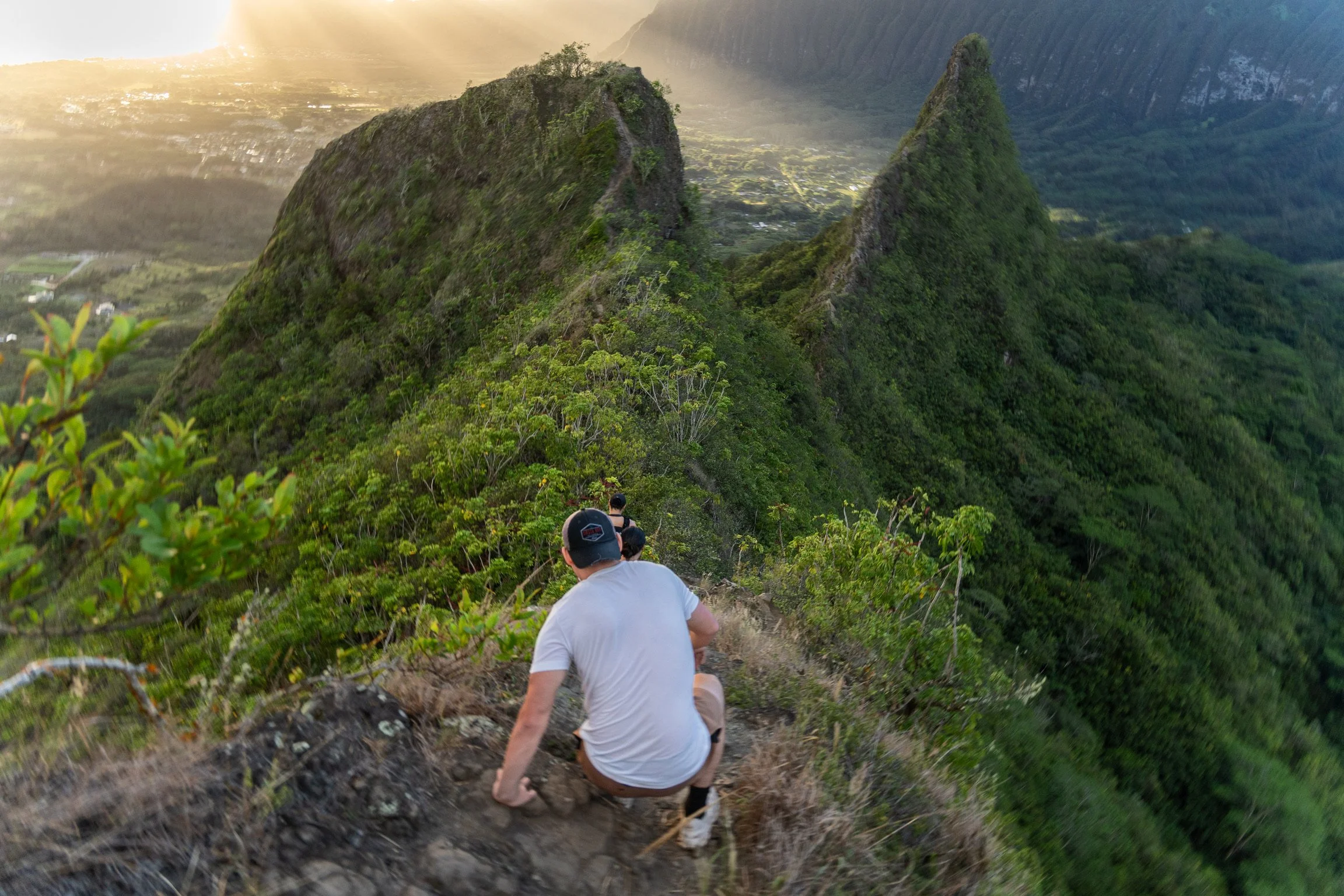
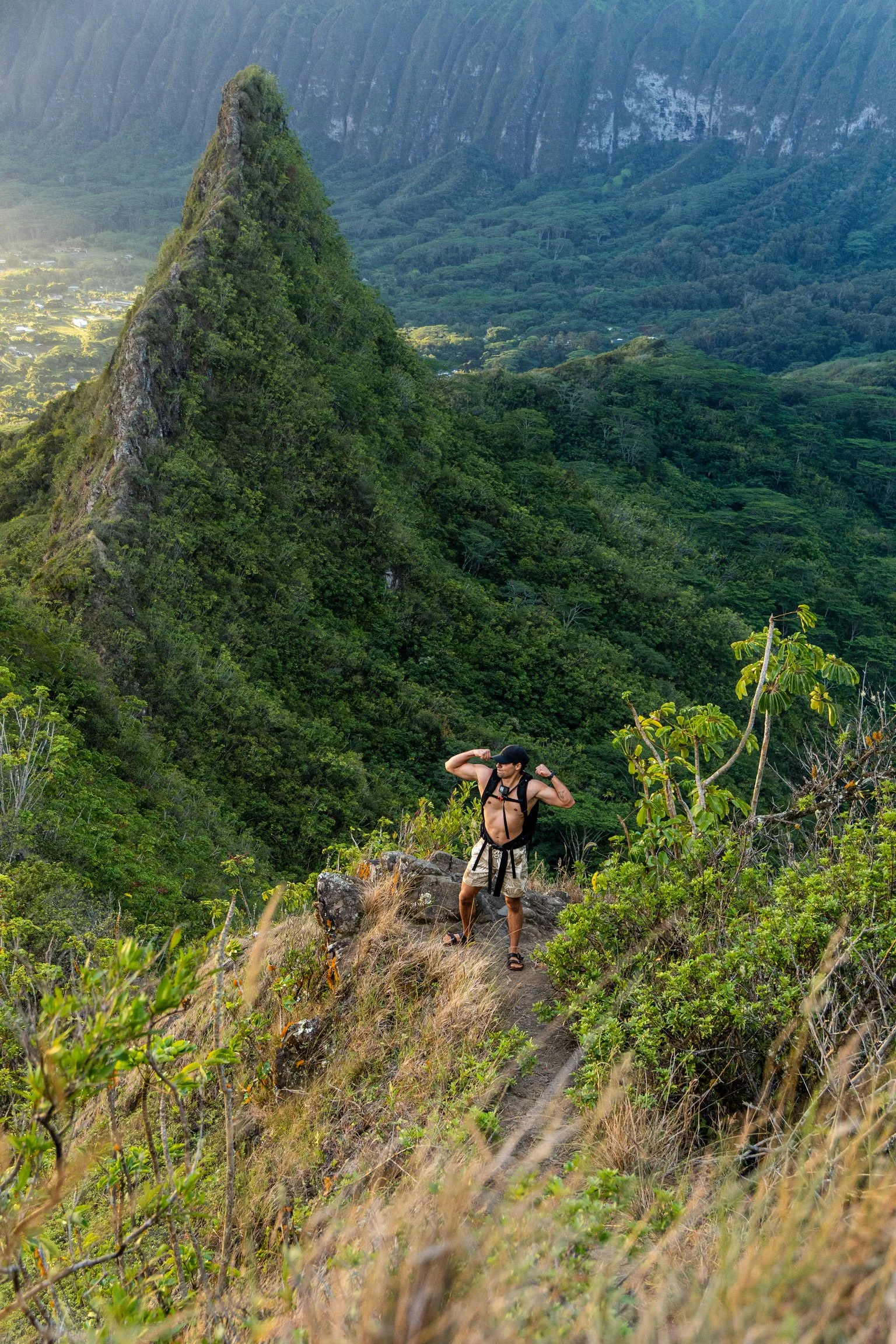
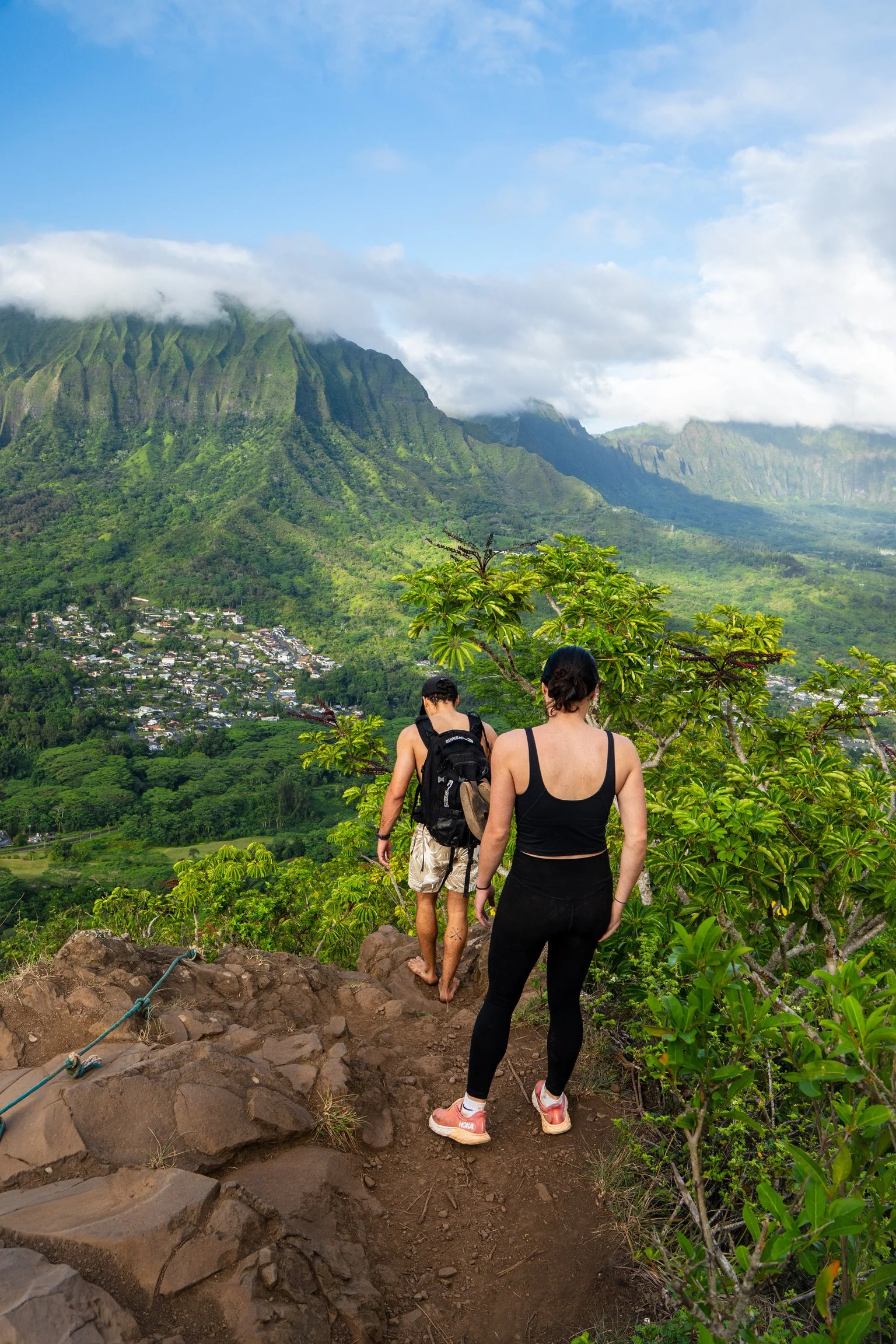
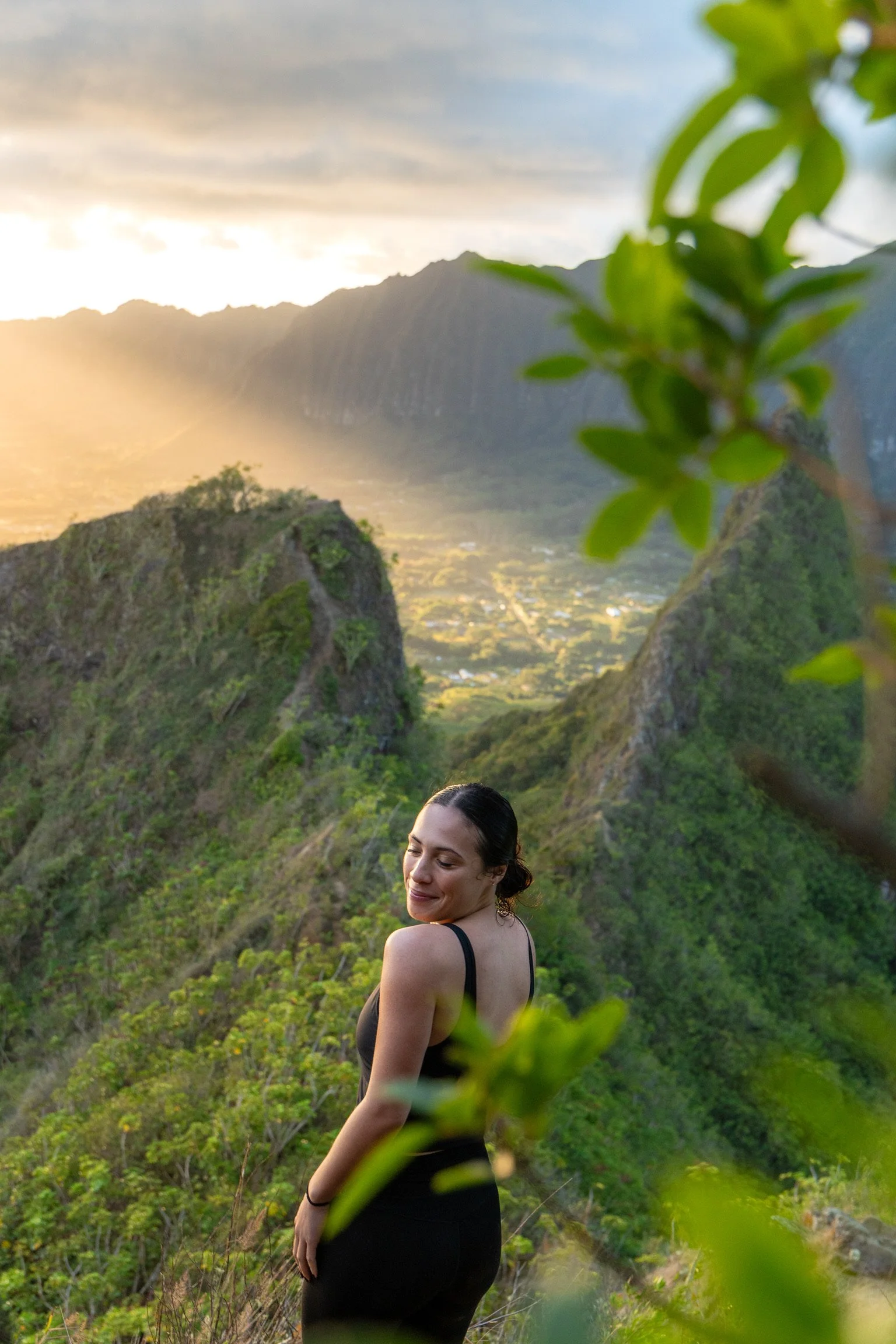
Recent Hiking Photos in Hawaii
Recommended Accessories
To get the most out of your hiking camera setup, consider pairing the Capture Clip with:
Peak Design Pro Pad for Capture – Adds comfort and stability, especially for heavier cameras.
Peak Design POV Kit – Turn your mount into a creative point-of-view camera rig.
Peak Design Anchor Mount – Great for reinforcing strap attachment points.
These can help tailor the system to your specific gear and shooting style.
If you’re serious about hiking photography — whether you’re shooting landscapes, wildlife, or action moments — a purpose-built hiking camera mount like the Peak Design Capture Clip is a game-changer. It gives you quick access, hands-free stability, and confidence to move freely without sacrificing readiness.
For outdoor shooters tired of wrestling with straps or digging through packs, this clip isn’t just an accessory — it’s a core part of the gear system that keeps your camera ready for the next great shot.
Photography Tips & Tricks